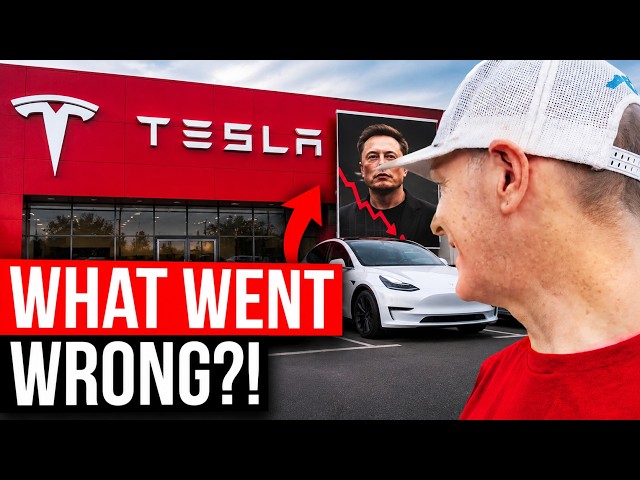
Built the first mainstream EV that reviewers called near-perfect. Created a fanatical tribe through direct engagement, no dealerships, and a mission to save the planet. Hit 80% U.S. EV market share by 2020.
What Changed
Elon bought Twitter for $44B, sold $20B in Tesla shares, and went all-in on polarizing politics. The progressive California buyers who built the brand suddenly felt alienated. Brand favorability fell from 28% to 13% as the tribe turned against him.
Where it Landed
Sales down 15% in 2025, with California dropping 24%. Yale estimates $60B in lost revenue from brand damage. Still a major player, but competitors are growing 17-22% while Tesla bleeds market share in its core markets.
The Principles
1.
Your brand IS your founder when you build a tribe. Elon's direct engagement created Tesla's moat, but made the brand inseparable from his personal choices and politics.
2.
Luxury goods are identity purchases. When half your buyers feel your brand no longer represents their values, they don't rationalize it away — they switch brands and tell everyone why.
3.
Political alignment cuts markets in half by design. If you take a side, you're betting you can win more from one tribe than you lose from the other. Tesla lost that bet.
Builder's Takeaway
If you're building a brand with a cult following:
•
Separate founder brand from company brand before you need to
•
Luxury buyers purchase identity, not just features — protect that signal
•
Politics divide 50/50 by design — only go there if you can afford it