Facebook built the dominant social network connecting billions globally. Acquired Oculus in 2014 and quietly worked on VR for seven years, building technical capability before the big reveal.
What Changed
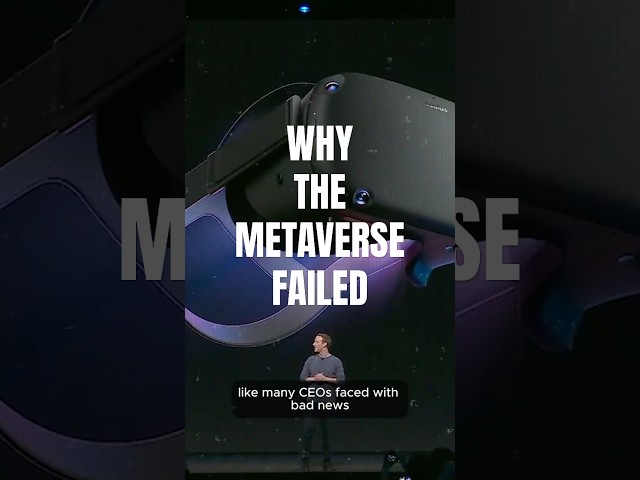
Facing PR disasters over leaked documents showing Instagram harmed teens and spread misinformation, Zuckerberg needed a narrative reset. He renamed the company Meta in October 2021 and poured billions into Horizon Worlds—a clunky VR product that peaked at just 300,000 users while Roblox had 60 million. Then ChatGPT blindsided him in 2022, showing people wanted AI to enhance reality, not escape it.
Where it Landed
Shut down entirely in March 2026 after burning $90 billion—more than Morocco's GDP. The main product was an internet meme of Zuckerberg's dorky avatar. Investors forced the pivot to AI.
The Principles
1.
You can't outspend human nature. Virtual reality pushes people away from reality—consumers voted with their wallets and stayed away.
2.
Narrative resets don't fix product-market fit. Renaming the company and spending billions can't create demand that doesn't exist.
3.
Watch what customers do, not what they say. ChatGPT hit 100M users faster than any product ever—the market signal was deafening.
Builder's Takeaway
3 warning signs you're building what nobody wants:
•
Your biggest product launch becomes a meme mocking your vision
•
You're 200x behind competitors in user adoption despite massive spend
•
You're pushing people away from reality when they want enhancement