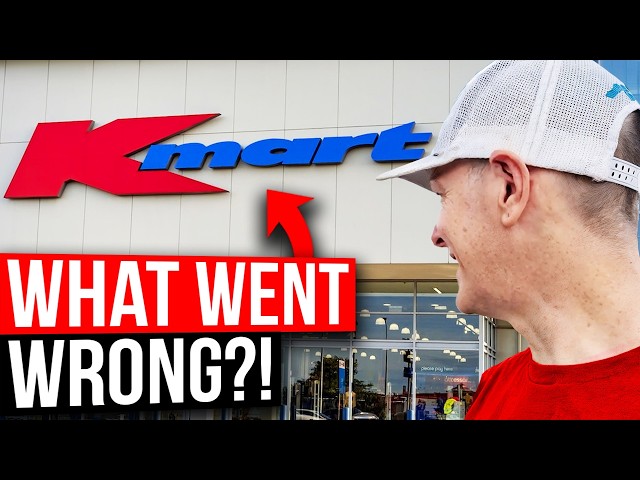
Kmart saw the suburban shift and pivoted hard. They opened 2,000 stores by 1981, invented the blue light special, and became America's #2 retailer behind only Sears.
What Changed
Kmart missed the digital age entirely. While Walmart built satellite networks and barcode systems in the 1980s, Kmart bought bookstores and sporting goods chains. They spent cash on acquisitions instead of supply chain, then tried competing on price without the infrastructure to win.
Where it Landed
Chapter 11 bankruptcy in 2002. Merged with Sears under Eddie Lampert, then bankrupted again in 2018. Today: 3 stores remain. $37B to zero.
The Principles
1.
Infrastructure is destiny in retail. Walmart's 1.8% supply chain advantage over Kmart was the difference between life and death.
2.
Adjacencies kill focus. Every dollar Kmart spent on bookstores was a dollar not spent fixing their core business.
3.
You can't cost-cut your way to competitiveness. Kmart slashed circulars to save money, customers stopped coming, and the death spiral began.
Builder's Takeaway
3 warning signs your retail business is rotting:
•
You're spending more on distribution than your competitor — that gap compounds daily
•
You're buying adjacencies instead of fixing core operations
•
You're cutting customer touchpoints to save cash in the short term