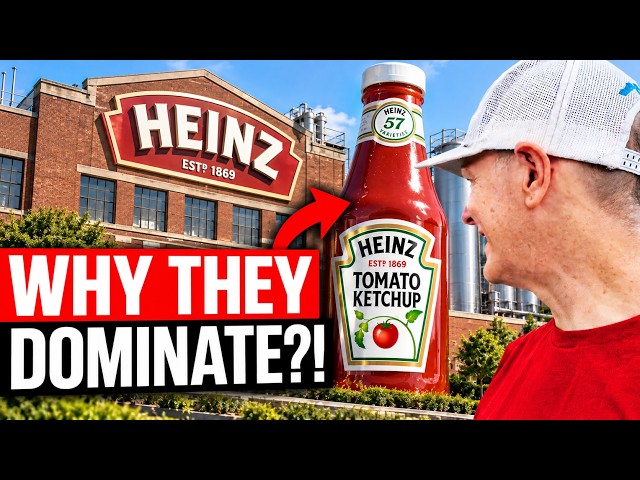
The ketchup giant that controls 60% of the market — but only after nearly killing itself with cost cuts and learning the hard way that marketing actually matters.
Heinz went premium in 1906 when rivals used sketchy preservatives. They built better tomatoes, engineered slower-pouring ketchup, and spent big on TV ads in the '60s and '70s. By 1980, they owned the category.
What Changed
Private equity firm 3G bought Heinz in 2013 and slashed marketing budgets by 40% while jacking up prices. Zero-based budgeting cut costs to the bone. Store brands caught up in quality, premium challengers attacked from above, and the brand advantage eroded fast.
Where it Landed
New CEO in 2025 reversed course — reinvested $700M in marketing, launched low-sugar variants globally, and stopped the planned company split. Ketchup is now the one bright spot holding 60% share while the rest of Kraft Heinz struggles.
The Principles
1.
Brand equity isn't permanent. Cut marketing for a decade and even a 100-year moat starts to crack when store brands close the quality gap.
2.
Cost-cutting has a ceiling. You can't slash your way to growth — eventually you have to give customers reasons to pay more.
3.
Comebacks are possible with strong brands. Heinz proved you can screw up for years and still recover if the underlying product advantage holds.
Builder's Takeaway
If you're managing an established brand, remember:
•
Marketing spend pays off years later — cutting it mortgages future pricing power for today's profits
•
Premium positioning requires constant reinforcement or competitors will close the perceived quality gap
•
When you've built real product advantages, reinvestment can reverse years of decline faster than you'd think