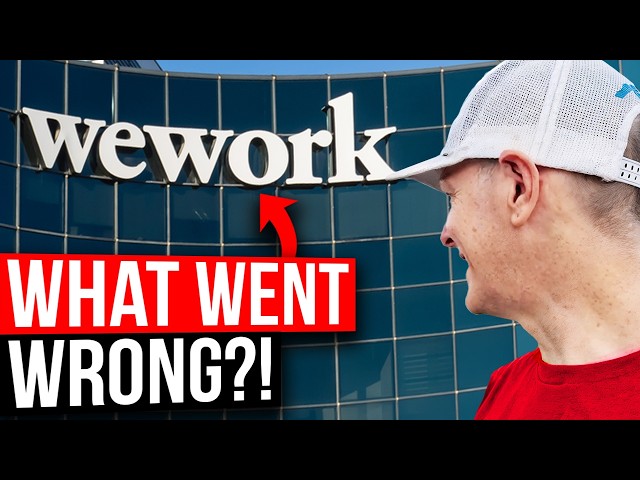
Built momentum in post-recession startup culture when nobody wanted long-term leases. Grew to 12,000 employees and hundreds of locations. Convinced VCs this was tech, not real estate arbitrage.
What Changed
Masa at SoftBank injected $4.4 billion after a 12-minute tour, no due diligence. Adam started believing his own mythology. Bought wave pools, coding schools, anything. When the IPO filing exposed the real numbers, the whole house of cards collapsed.
Where it Landed
Chapter 11 bankruptcy, November 2023. Stock worthless. 12,000 employees' options vaporized. Adam got $1.7B and raised $350M for his next startup from the same VCs.
The Principles
1.
Understand your leverage and use it. Adam locked in exit terms when VCs were desperate to invest, ensuring his payday regardless of outcome.
2.
Mismatched liabilities kill you. Long-term lease obligations funded by month-to-month subleases meant the first downturn was fatal.
3.
VCs aren't your friends — they're playing their own game. Masa needed to deploy $100B fast, so due diligence didn't matter.
Builder's Takeaway
If you're watching VC-funded growth, remember:
•
Losing money only works if you're in a winner-take-all market (WeWork wasn't)
•
When someone offers you billions with no diligence, the incentives are broken
•
Lock in your economics when you have leverage, not when you need it