← Back to all One Page Business Stories

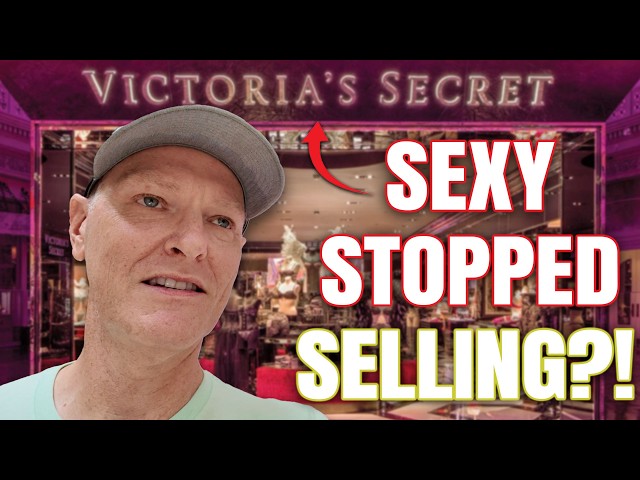
The rise and fall of Victoria's Secret

The lingerie giant that once sold over a third of all women's underwear in America — now losing half its market share because the world moved on.

By The Numbers

33%+
U.S. lingerie market share at peak
-40%
market share lost since 2013
<20%
current market share

What They Nailed Early

Built the first aspirational lingerie brand for mainstream America with the Angels campaign. Supermodels became household names — Gisele, Tyra Banks — and the annual fashion show was a cultural event. Captured over a third of the entire U.S. market.

What Changed

The world shifted beneath them. Women wanted comfort and authenticity over unattainable beauty standards. The Me Too movement made their male-gaze marketing toxic. Meanwhile, competitors like Lululemon and comfort-first brands ate their lunch. Malls declined, inflation hit, and Victoria's Secret kept running the same playbook while culture moved on.

Where it Landed

Three CEOs in four years. Market share cut nearly in half. Stuck in no-man's land — not luxury, not discount, not clear what they stand for. Still operating but the identity crisis is visible on every shelf.

The Principles

1. 
Culture shifts are existential threats. When your brand premise becomes socially unacceptable, revenue follows fast.
2. 
Know what business you're in. Victoria's Secret couldn't decide if they were luxury, mass market, sexy, or comfortable — so they became none of them.
3. 
Your winning formula has an expiration date. What worked for 20 years can become your liability overnight when the market moves.

Builder's Takeaway

If your brand depends on cultural trends, watch for:
• 
Early signals your core message is aging out (even while sales are still strong)
• 
Competitors redefining the category around values you don't own
• 
Identity confusion in your own stores — that's the canary in the coal mine
Want the whole story? → Watch this on YouTube