← Back to all One Page Business Stories

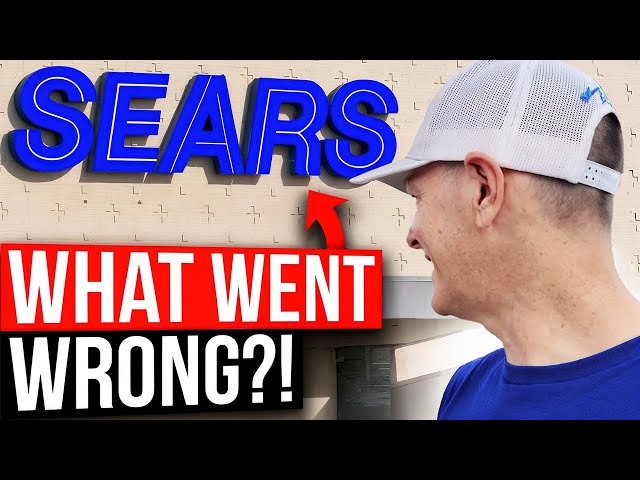
The rise and fall of Sears: How America's largest retailer went bankrupt

The retailer that was 1% of the entire U.S. economy and built the tallest building in the world — then got stripped for parts by a hedge fund.

By The Numbers

1%
of U.S. economy at peak
$11B
debt at bankruptcy
$175M
settlement from asset stripping lawsuit

What They Nailed Early

Built America's first mail-order everything store, then brilliantly pivoted to retail before the automobile killed catalogs. Dominated suburbanization with trusted house brands like Craftsman and Kenmore. By the 1960s, controlled 1% of U.S. GDP — unmatched retail dominance.

What Changed

Discounters like Walmart and category killers like Toys R Us squeezed from both ends. Instead of competing, Sears became a conglomerate buying brokerages and insurance arms. Hedge fund manager Eddie Lampert took over in 2005, ran it from Florida via spreadsheet, spent $5.8B on buybacks instead of stores, and stripped $2B+ in assets for his fund.

Where it Landed

Chapter 11 bankruptcy in 2018. Over $11B in liabilities. Creditors sued Lampert's fund for asset stripping, settled for $175M. A 132-year icon liquidated while Amazon became what Sears could have been.

The Principles

1. 
Incentives drive outcomes. Lampert enriched his hedge fund, not the business — $200M/year in interest to himself while stores rotted.
2. 
You can't manage retail from spreadsheets. Lampert never visited stores, missed leaky roofs and empty aisles that customers saw daily.
3. 
Disrupting yourself beats being disrupted. Sears nailed the catalog-to-retail shift in the 1920s, then abandoned catalogs in 1993 — right before e-commerce.

Builder's Takeaway

3 warning signs your business is being asset-stripped:
• 
Owner extracts more than they reinvest (buybacks while stores decay)
• 
Self-dealing structures funnel cash to owner-controlled entities
• 
Leadership manages via spreadsheet, never sees customers or operations
Want the whole story? → Watch this on YouTube