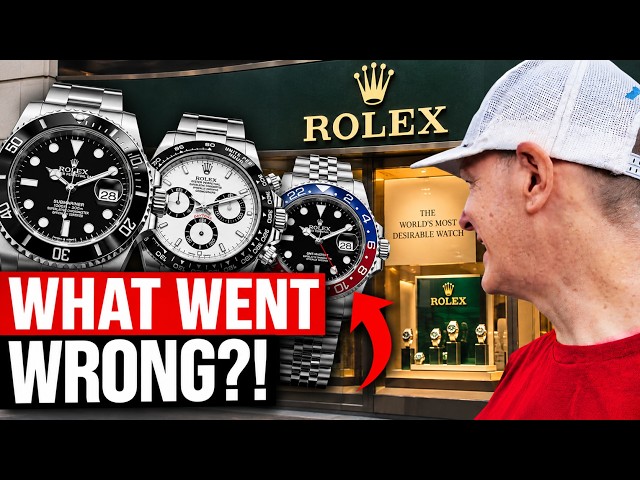
Built the first luxury wristwatch brand by solving dust and water problems that killed watches. Made mechanical precision a status symbol for capable men. Stayed disciplined through the quartz crisis by raising prices instead of competing on cost.
What Changed
Flood of cheap money in the 2010s turned Rolexes into speculative assets. Secondary market prices hit 3x retail. Scummy dealer games and crypto-bro associations eroded the brand among taste makers. Serious collectors moved to independent makers like Moser and FP Journe.
Where it Landed
Still financially dominant but culturally diminished. Called a beginner's watch by collectors. Bought major retailer to regain distribution control. Raised prices to kill speculation but mass appeal remains strong.
The Principles
1.
Luxury is a status game, not a product game. Once everyone can have it, the people who matter stop wanting it.
2.
Distribution control isn't optional. Feudal dealer systems invite scams that poison your brand with your best customers.
3.
Long-term thinking has downsides too. Private foundation structure made them slow to react when cultural moment shifted fast.
Builder's Takeaway
If you're building a luxury brand, remember:
•
Scarcity must be managed actively, not passively hoped for
•
Your distribution partners can destroy decades of brand equity overnight
•
Even perpetual ownership can't save you from missing cultural shifts