← Back to all One Page Business Stories

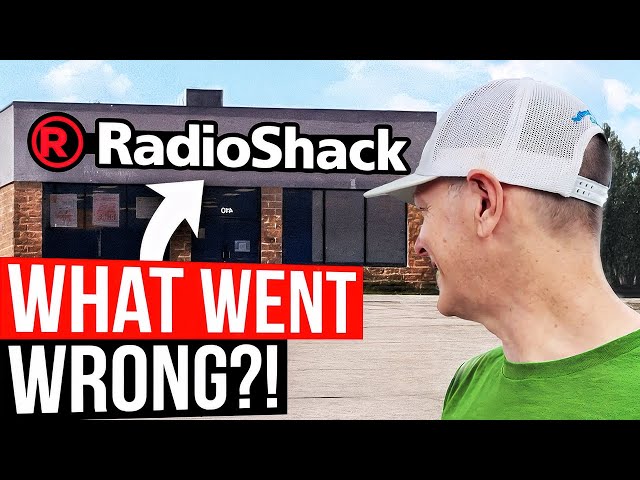
The rise and fall of Radio Shack: From $5 billion to bankruptcy

The electronics giant with 8,000 stores and 94% of America within a 5-minute drive — killed by the very device that saved it.

By The Numbers

$5B
peak annual revenue
94%
of Americans within 5 minutes
2015
year of first bankruptcy

What They Nailed Early

Focused a bloated 40,000-item catalog down to 2,500 essential electronics parts and devices for a repair-minded generation. Rode successive tech waves—from ham radio parts to home computers like the TRS-80—while blanketing America with convenient strip-center locations.

What Changed

Electronics became disposable instead of repairable. Gen X and millennials stopped fixing things. Cell phones—which briefly saved RadioShack at 45% of revenue—became an amoeba eating all other devices. Then Best Buy, Walmart, Target, and Amazon crushed them on price and selection while carriers built their own stores.

Where it Landed

Bankruptcy in 2015, again in 2017. Passed between owners, eventually bought by Tai Lopez's group in 2020. Used for crypto pump-and-dump schemes. A few franchise stores remain in small towns, but the chain is gone.

The Principles

1. 
Disruption windows close fast. RadioShack saw e-commerce, superstores, and disposable electronics coming but failed to pivot when they had the chance.
2. 
When your lifeline eats your core business, you're in trouble. Cell phones saved them temporarily while destroying demand for every other product they sold.
3. 
Real estate strategy is a bet on behavior. Strip malls and mall locations worked when people drove to fix things—not when they ordered online.

Builder's Takeaway

3 warning signs your business model is eroding:
• 
Your best product is cannibalizing everything else you sell
• 
Competitors can sell your high-margin items for 90% less online
• 
Your core customer behavior (repair vs. replace) is shifting generationally
Want the whole story? → Watch this on YouTube