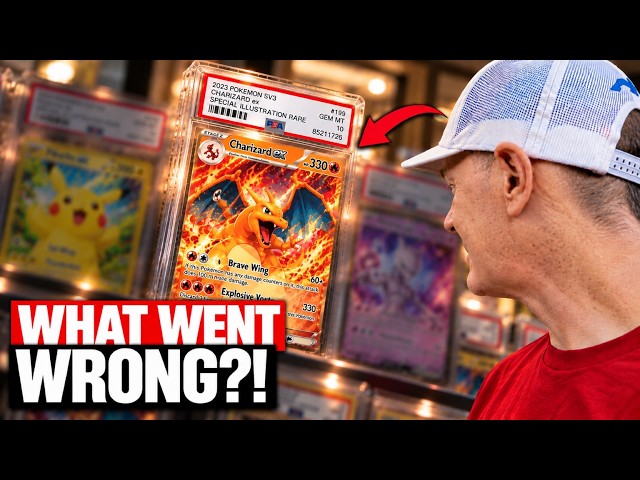
Pokémon hit massive scale fast in 1999, selling 400,000 packs in six weeks. The craze was so intense schools banned the cards. Wizards of the Coast sold to Hasbro for $325M after just two years.
What Changed
COVID lockdowns plus stimulus money brought nostalgic 30-year-olds back. Logan Paul livestreamed pack openings, eBay sales jumped 574% in one year. PSA bought rivals SGC and Beckett, consolidating 80% of the grading market while Pokémon printed 51 billion new cards in five years.
Where it Landed
PSA dominates grading with 12.4M cards in queue. Pokémon prints at max capacity. Collectors caught evidence PSA upgraded cards it owned from 9s to 10s. FTC investigation pending, class action filed.
The Principles
1.
Scarcity drives value, oversupply kills it. When you print 51 billion new cards in five years, the only thing rare is the grade.
2.
Incentive misalignment destroys trust. When the grader also brokers cards, every rating becomes suspect — 30 cards mysteriously improved under PSA ownership.
3.
Three-player markets have one loser. Pokémon gets paid either way, PSA profits from volume and flipping, collectors hold the bag when music stops.
Builder's Takeaway
If you're playing the collectibles game, remember:
•
Take profits while the music plays — bubbles always pop when you think it's different
•
Watch who controls the scorecard — monopoly graders have misaligned incentives
•
Unlimited supply eventually catches demand, no matter how hot the craze