Built the first trusted national department store brand. Pioneered fixed pricing, money-back guarantees, and aggressive advertising. Became embedded in American culture through the Thanksgiving Day Parade and Miracle on 34th Street.
What Changed
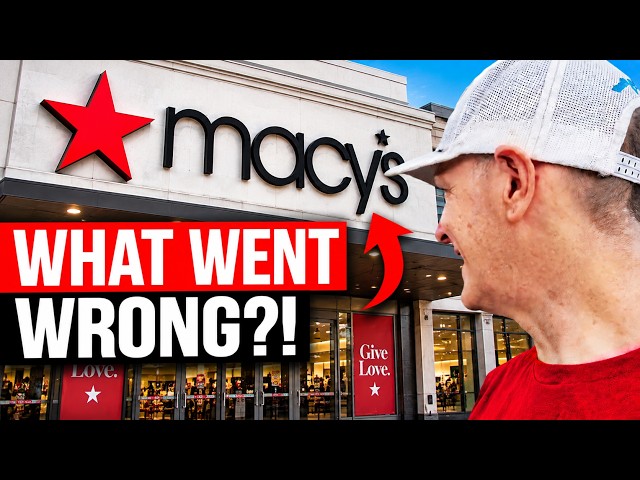
Federated bought the chain in 1994, then went on a $17B acquisition spree buying competitors. They consolidated beloved regional brands like Marshall Fields under the Macy's name, alienating loyal customers. Meanwhile, they loaded up on debt through leveraged buyouts and sale-leasebacks just as malls died and Amazon rose.
Where it Landed
Down to 350 stores from 900. Real estate investors circling to buy the company not for the business, but to strip the property. New CEO closing 150 more locations. The retail operation is worth less than the land underneath it.
The Principles
1.
Financial engineering is a sugar high. Sale-leasebacks and leveraged buyouts pay you today but leave you fragile when the market inevitably turns.
2.
Don't kill beloved local brands for efficiency. Macy's torched decades of regional trust by consolidating Marshall Fields and Foley's under one generic name.
3.
Anchor tenants and malls were symbiotic. When one dies, the other follows — and Macy's bet everything on a format that couldn't survive e-commerce.
Builder's Takeaway
If you're running a legacy retail brand:
•
Avoid debt-fueled growth when your core format faces structural headwinds
•
Preserve regional brand equity — consolidation for efficiency can destroy trust
•
Own your real estate or you'll be worth more dead than alive