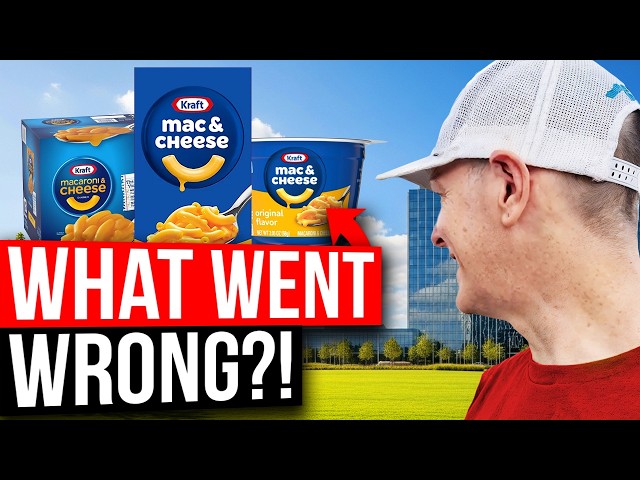
Created instant convenience for Depression-era and wartime America. Sold 8 million boxes year one, then 80 million in 1943 alone. Dominated grocery aisles for 70 years with 46% market share and iconic brand status.
What Changed
Brazilian PE firm 3G deployed zero-based budgeting, cutting $400M in advertising and slashing R&D to 0.36% of revenue. While they chased short-term margins, millennials and Gen Z shifted to clean-label foods. Craft kept chemicals in the box while competitors like Goodles and Annie's captured health-conscious buyers.
Where it Landed
Market share dropped from 46% to high 30s in three years. Eight consecutive quarters of declining sales. Company splitting in two. Warren Buffett lost $3B personally and admitted the mistake on national TV.
The Principles
1.
Cost-cutting has a half-life. Slashing advertising and R&D delivers profit today but erodes brand equity and innovation tomorrow.
2.
Consumer preferences shift faster than legacy brands adapt. When the market moves from convenience to clean labels, yesterday's formula becomes tomorrow's liability.
3.
Zero-based budgeting cuts muscle, not just fat. When every expense needs annual justification, long-term brand building loses to short-term margin optimization.

Builder's Takeaway
3 warning signs your cost cuts are killing the brand:
•
Advertising spend down 40% while competitors gain share means invisible brand death
•
R&D at 0.36% vs industry 1.2% means no innovation when tastes shift
•
Private label hits 14% share means your premium perception is gone