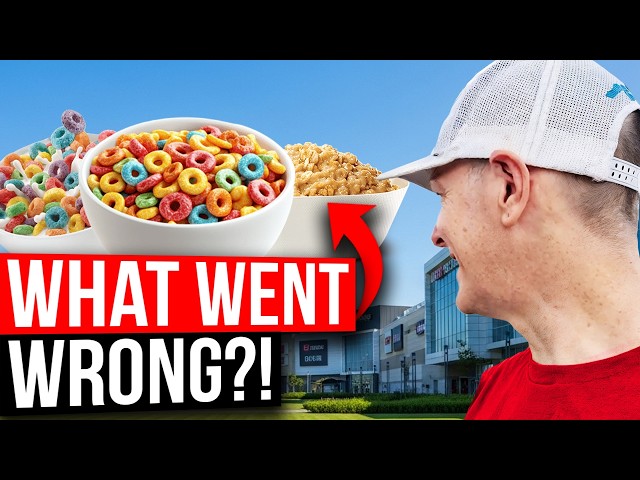
Invented an entire category by turning bland health food into a mass-market breakfast staple. Hit 90% household penetration and $14B in annual sales. Saturday morning cartoon ads created 100% brand recognition for characters like Tony the Tiger.
What Changed
The big three got greedy, raising prices 10% annually in the '80s while running 40-50% margins. When store brands undercut them, they slashed prices 20% in 1996 and gutted $1.5B in marketing. The monoculture collapsed — cable fractured audiences, the internet killed Saturday cartoons, and Atkins exposed cereal as sugar-loaded junk.
Where it Landed
Sales crashed from $14B to under $10B. Only 12% of households buy cereal now, down from 90%. Kellogg spun off the cereal business, which sold to an Italian candy maker for $3.1B — while the snack side fetched $36B.
The Principles
1.
Exploiting customers has a long fuse. Decades of 10% annual price hikes and 50% margins bred resentment that exploded when alternatives appeared.
2.
Monoculture distribution is not a moat. When three TV networks became 500 channels, cereal lost its direct line to kids and never recovered.
3.
Category tailwinds can reverse violently. Cereal rode dual-income households and government nutrition guidance — both flipped against them within a decade.
Builder's Takeaway
3 warning signs your category is dying:
•
You're raising prices faster than inflation while customers have no alternatives
•
Your distribution model depends on a media environment that's fragmenting
•
Generational habits are shifting and your product requires a complementary purchase