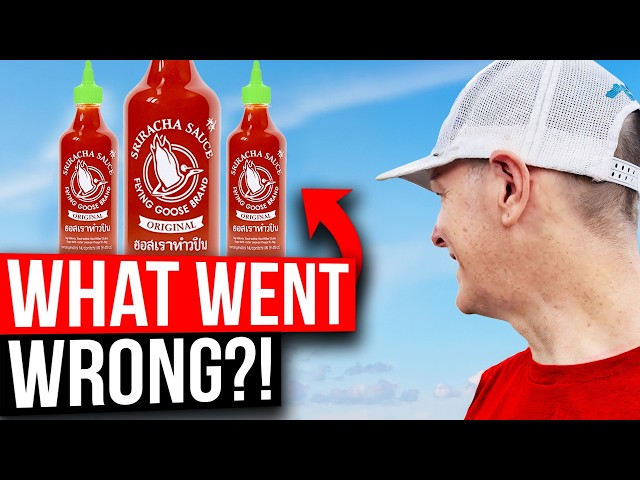
Built the first mainstream Sriracha brand through pure product-led growth. Zero marketing spend, no salespeople, no investors — just a product so good people sought it out. Became #3 hot sauce in America.
What Changed
David Tran's self-reliance obsession turned toxic. He secretly started his own pepper farm while lying to his 28-year partner Craig Underwood, even using drone footage to steal proprietary farming knowledge. Court found fraud and misrepresentation — $23.3M judgment destroyed the relationship.
Where it Landed
Back in production after halting in 2024, but the moat is gone. Competitors flooded in during the shortage. Underwood Ranches now sells their own Sriracha. Family still runs it, but the magic is fading.
The Principles
1.
Product-led growth forces excellence. When you can't buy customers with marketing, the product must be so good people hunt for it themselves.
2.
Your trauma shapes your strategy — for better and worse. The same self-reliance that built the empire also destroyed key partnerships when taken too far.
3.
Handshake deals scale until they don't. Operating on trust for 28 years created legal obligations — when David violated them, it cost $23M and his supply chain.
Builder's Takeaway
If you're building on relationships without contracts, watch for:
•
Concentration risk — 95% dependence on one supplier is a single point of failure
•
Your strengths become weaknesses at scale — self-reliance works until it breeds betrayal
•
Consistency is the moat — product quality variance kills brand loyalty faster than anything