← Back to all One Page Business Stories

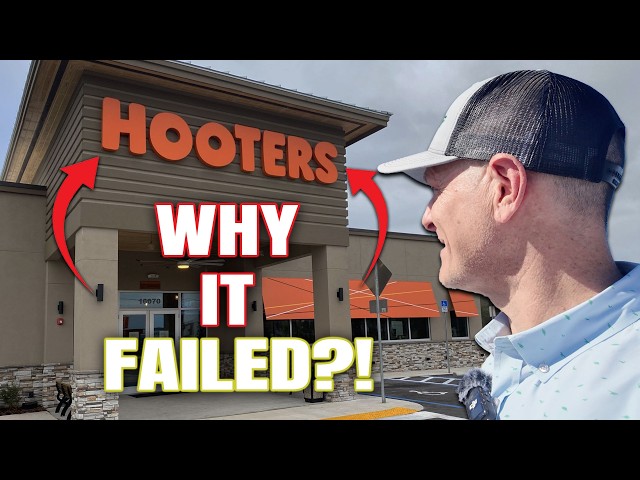
The rise and fall of the Hooters restaurant

The restaurant empire that hit 400 locations and $1B in sales — then got killed by debt, cultural shifts, and PE owners who forgot the long game.

By The Numbers

$1B
peak annual revenue
$376M
debt at bankruptcy
$30M
annual interest payments

What They Nailed Early

Built a cheeky, unapologetic brand that made sports bar dining theatrical. Franchising fueled explosive growth — 400 locations by 2008. The Hooters Girl became as recognizable as Ronald McDonald, turning wings and beer into a cultural phenomenon.

What Changed

Competitors like Twin Peaks and Buffalo Wild Wings offered fresher concepts without the dated sex appeal. Millennials and Gen Z found the brand cringe-worthy. Then private equity loaded Hooters with $376M in debt, squeezing out investment in modernization, training, and maintenance just as the pandemic crushed casual dining.

Where it Landed

Chapter 11 bankruptcy in March 2025. Around 40 locations closed in 2024. Original co-founder Neil Kefir bought it back, vowing to strip out PE gimmicks and rebuild.

The Principles

1. 
Cultural relevance isn't permanent. What felt fun in 1983 can feel outdated by 2025 — adapt or watch your customer base age out.
2. 
Debt kills optionality. When you're spending $30M/year on interest, you can't invest in the updates that keep you competitive.
3. 
Owner incentives shape outcomes. PE optimizes for the flip; founders think in decades. Short-term extraction destroyed long-term value.

Builder's Takeaway

3 warning signs your brand is aging out:
• 
Your core customers are graying and younger cohorts aren't replacing them
• 
High debt loads force you to defer maintenance and training investments
• 
Competitors modernize the category while you defend yesterday's playbook
Want the whole story? → Watch this on YouTube