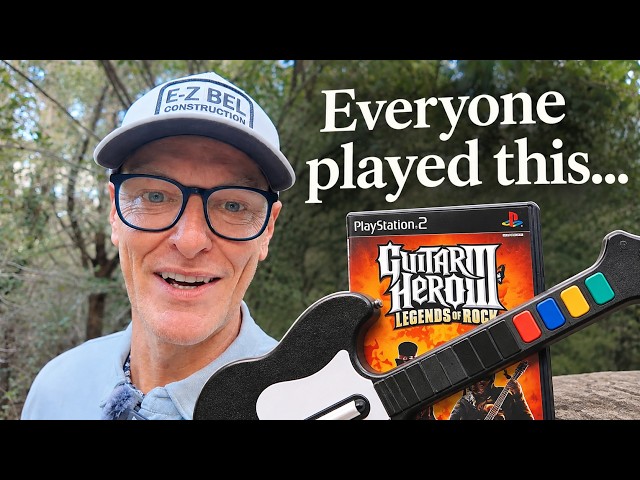
Created the first mainstream music game with a plastic guitar controller. Hit massive scale — 15 million U.S. households by 2009. Made gaming accessible to non-gamers during the Wii era.
What Changed
Activision flooded the market with spin-offs (Van Halen, Metallica, DJ Hero) right as the 2008 recession hit. Free iPhone alternatives like TapTap Revenge killed the $90 box model. Casual gamers moved on — the fad burned out.
Where it Landed
Shut down in 2011 after $326M write-down. 500 people laid off. Failed 2015 reboot attempt. Microsoft now owns the dormant name after Activision acquisition.
The Principles
1.
Fads aren't forever. Casual customers try something once, then move to the next curiosity — don't build permanent infrastructure around temporary demand.
2.
Market flooding kills momentum. Releasing too many SKUs (Van Halen, Metallica, DJ Hero) in one year trained customers to wait and diluted the brand.
3.
Free alternatives destroy premium hardware. When iPhone offered similar gameplay for $2.99 vs. $90 plastic guitar bundles, the value prop collapsed overnight.
Builder's Takeaway
If you're riding a consumer fad, remember:
•
Sell at the top (Red Octane cashed out for $100M in 2006)
•
Don't mistake peak penetration for permanent demand — 15M homes meant saturation, not momentum
•
When competitors go free, your $90 box becomes unsellable instantly