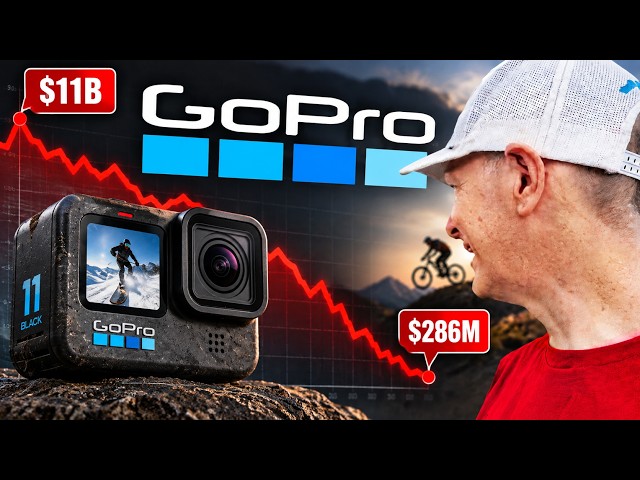
Built the first mainstream action camera brand. Hit massive scale — bestselling camera in America by 2013, beating Nikon. YouTube became free marketing infrastructure as users uploaded millions of GoPro clips.
What Changed
Founder's trauma from losing investor money in first venture made him risk-averse. Refused to invest in software ecosystem or raise capital when competitors emerged. Chinese fast-followers like DJI and Insta360 copied what worked, skipped GoPro's mistakes, and built better products with superior software.
Where it Landed
Sold to AI entrepreneur for $286M, pivoting away from cameras entirely. Once a beloved brand capturing life's action moments, now riding AI hype selling optical parts to data centers.
The Principles
1.
Past trauma creates future blindspots. Woodman's fear of losing investor money made him too conservative when bold moves could have saved the company.
2.
Software moats aren't optional in hardware. Without an ecosystem locking users in, GoPro became a commoditized product Chinese competitors easily replicated.
3.
First-mover advantage expires fast. Being first gave GoPro brand recognition but no defensibility — fast followers learned from their mistakes and built better products.
Builder's Takeaway
If you're building a hardware business, remember:
•
Build the software moat early — hardware alone gets commoditized fast
•
Your past failures will bias future decisions unless you're self-aware
•
First to market means nothing without barriers competitors can't copy