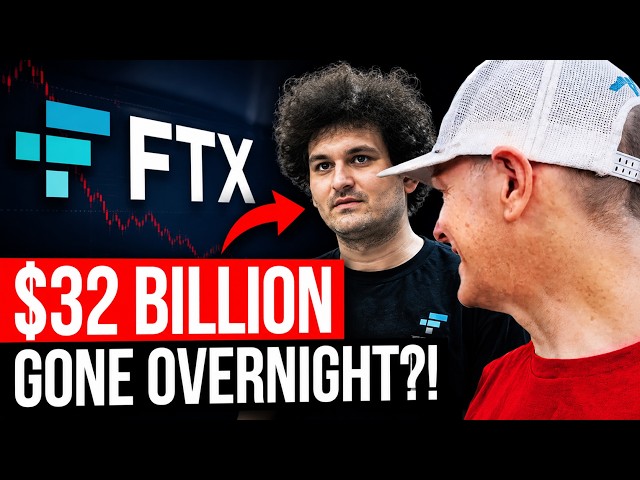
Built the fastest-growing crypto exchange by offering sophisticated trading tools and 101x leverage. Raised $900M at $18B valuation, then hit $32B. Positioned as the 'safe' exchange with celebrity endorsements and Super Bowl ads.
What Changed
CoinDesk reporter leaked Alameda's balance sheet showing $5B in fake assets like FTT tokens. Competitor CZ dumped $580M in FTT, triggering a bank run. $6B in withdrawal requests in 72 hours exposed the truth: customer funds had been secretly funneled to Alameda for risky trades, real estate, and political donations.
Where it Landed
Chapter 11 bankruptcy. Sam convicted on all seven counts, sentenced to 25 years. Ironically, investors recovered 118% thanks to Bitcoin's rise and the Anthropic bet paying off.
The Principles
1.
Allowed negative = allowed fraud. When you exempt one player from the rules everyone else follows, you're not running an exchange — you're running a scam.
2.
Cause-washing enables theft. Wrapping greed in effective altruism or any grand mission lets fraudsters justify anything, even stealing customer deposits.
3.
No audit = no trust. Billions from elite VCs, zero independent oversight, no functional board. When institutions skip diligence, small-time reporters catch what they miss.
Builder's Takeaway
3 red flags that scream fraud:
•
Different balance sheets for different audiences (FTX kept seven versions)
•
Founder controls both the exchange and a trading firm using it
•
Grand mission talk that deflects from basic operational questions