← Back to all One Page Business Stories

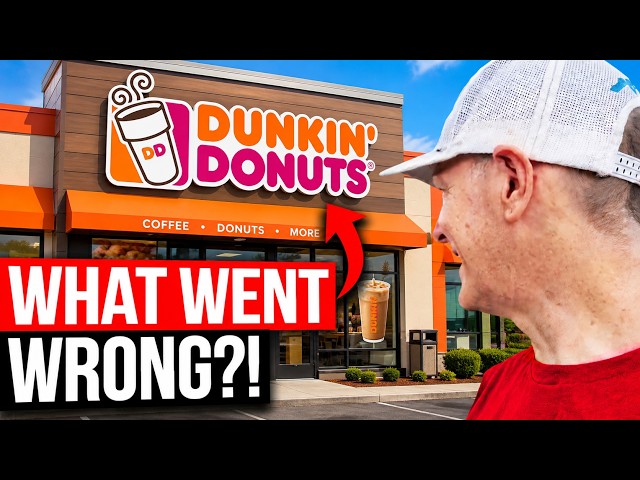
The rise and fall of Dunkin’ Donuts

A coffee chain that sold 2 billion cups a year got stripped by private equity — twice — while franchisees paid $100M to remove 'Donuts' from the sign.

By The Numbers

2B+
cups of coffee annually
$11B
private equity buyout price
$100M
franchisee resignage costs

What They Nailed Early

Built the working-class coffee brand for America. Coffee ran at 90% margins, was addictive, and drove repeat visits. The 18-minute freshness rule and 52 donut varieties showed obsessive quality focus.

What Changed

Private equity bought it in 2006, loaded it with debt, paid themselves dividends, then flipped it. New PE owners in 2020 paid 23x earnings. Meanwhile, they forced franchisees to rebrand from 'Donuts' to just 'Dunkin' for $100M, shifted to commissary donuts, and prioritized extraction over quality.

Where it Landed

Owned by Inspire Brands conglomerate. Quality complaints everywhere. Franchisees squeezed on margins while corporate collects royalties on sales, not profits. The donuts aren't made in-store anymore.

The Principles

1. 
Incentive misalignment kills brands. When owners think in 5-year exits instead of decades, quality becomes optional and customers notice.
2. 
Franchising's dark side: royalties on sales mean corporate wins even when franchisees lose. The model attracts financial engineering, not operators.
3. 
Asset-light sounds great on slides, terrible in practice. When the people collecting checks don't own the outcomes, the flywheel reverses.

Builder's Takeaway

If private equity owns your favorite brand, watch for:
• 
Dividend recaps and debt loads that prioritize owner returns over reinvestment
• 
Commissary shifts and cost cuts disguised as 'efficiency' that kill product quality
• 
Franchisee squeeze plays where corporate collects regardless of unit-level profitability
Want the whole story? → Watch this on YouTube

More One Page Business Stories:

More