← Back to all One Page Business Stories

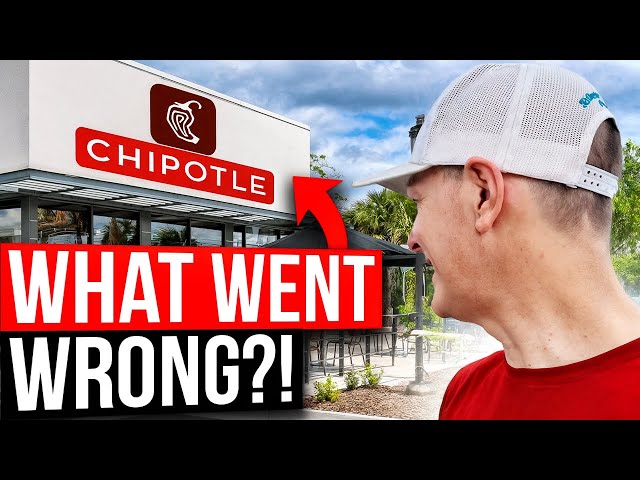
The rise and fall of Chipotle: From $50B to disappointment?

A $50 billion fast-food darling that spent just 1.5% on advertising — now customers rate it below average with a net promoter score of 17.

By The Numbers

$50B
peak market valuation
$25M
foodborne illness fine paid
-5%
same-store sales decline

What They Nailed Early

Brought fine-dining freshness to fast food. Built an open kitchen where customers watched their meals prepared. Hit massive scale with just 1.5% spent on advertising — the product was the marketing.

What Changed

E.coli and salmonella outbreaks in 2015 exposed how rapid growth had outpaced food safety systems. New CEO Brian Niccol brought Taco Bell tactics — factory standardization, digital ordering, efficiency focus. The turnaround boosted profits 700% but killed the value proposition: portions shrank, prices rose, warmth disappeared.

Where it Landed

Same-store sales down 5%. Net promoter score of 17 versus In-N-Out's 63. Many locations have sub-4-star ratings. CEO left for Starbucks. Customers who once loved it now actively hate it.

The Principles

1. 
Turnaround playbooks must fit the brand. Running the Taco Bell efficiency script at Chipotle saved profits but destroyed what made customers loyal in the first place.
2. 
Scale without systems is a time bomb. Chipotle grew so fast that food safety couldn't keep up — the thing that built the brand became the thing that nearly killed it.
3. 
Skimping shows up in reviews and revenue. When 10% of locations cut portions to hit profit targets, customers noticed immediately and told everyone.

Builder's Takeaway

If you're fixing a beloved brand, remember:
• 
Don't import another company's playbook — honor what made customers love you originally
• 
Growth caps exist: never scale faster than training and systems can sustain
• 
Efficiency gains that hurt customer experience are just delayed revenue losses
Want the whole story? → Watch this on YouTube