← Back to all One Page Business Stories

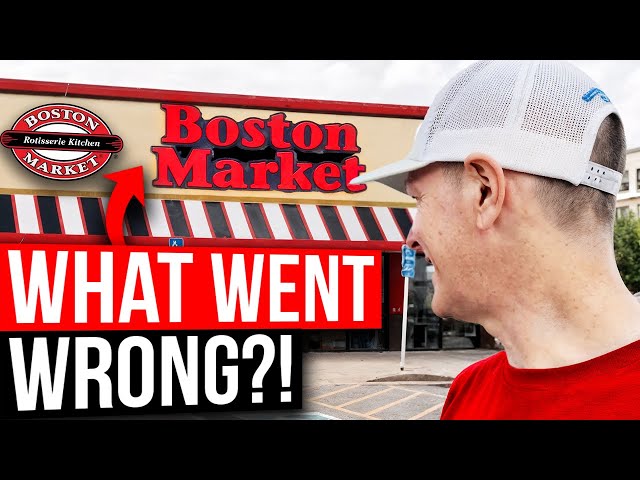
The rise and fall of Boston Market

The hottest IPO of the '90s that went from $50/share to bankruptcy in just five years — built on loans the company made to itself.

By The Numbers

1,200
restaurants at peak
$754M
in unrecoverable loans
27
locations remaining today

What They Nailed Early

Created the first true fast-casual concept — rotisserie chicken with hearty sides that felt homemade but came fast. Hit critical mass quickly with a franchise model that exploded to over 1,000 stores. The 1993 IPO jumped from $20 to $50 in one day.

What Changed

Founder Scott Beck deployed a toxic franchise scheme: Boston Market raised investor money, loaned it to area developers who loaned it to franchisees, then booked the interest as profit. No checks and balances. Everyone was incentivized to open stores fast, not profitable ones. By 1996, area developers lost $156M while HQ reported profits.

Where it Landed

Chapter 11 bankruptcy in 1998. Stock crashed from $41 to worthless. Sold to McDonald's for scraps, then to Sun Capital who bled it dry. Down to 27 stores today. Still technically selling franchises online.

The Principles

1. 
Growth funded by your own loans isn't growth. Boston Market booked interest on money it loaned to franchisees as revenue — pure accounting fiction that collapsed fast.
2. 
Cost-cutting can't save a broken value proposition. Sun Capital slashed quality so hard that chickens got smaller and sides got worse — customers left and never came back.
3. 
Standing still is dying. While Boston Market coasted, Costco sold 100M chickens at $4.99 and Chipotle built 2,500 stores. The market moved; they didn't.

Builder's Takeaway

3 warning signs your growth story is fake:
• 
If franchisees need YOUR money to open, you're funding your own 'success'
• 
Revenue that comes from loans you made isn't real revenue
• 
Cutting quality to save cost just accelerates the death spiral
Want the whole story? → Watch this on YouTube