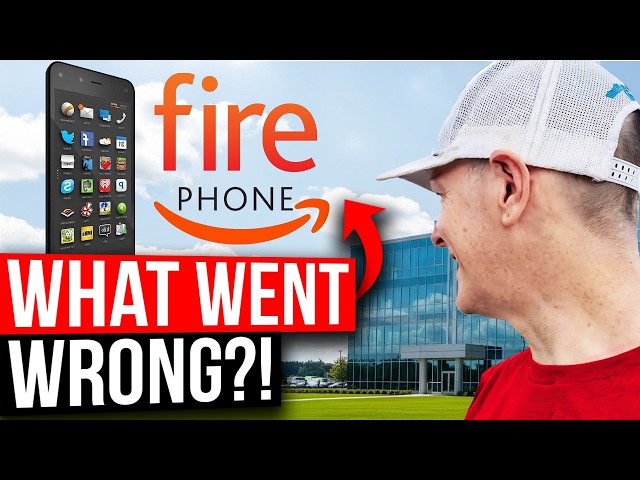
Amazon proved the hardware-subsidy model worked with Kindle and Kindle Fire. Sold tablets at a loss ($201 cost, $199 price) and made money on content. By December 2011, moving a million Kindle Fire units per week.
What Changed
Bezos abandoned the proven playbook. Instead of subsidizing hardware, he chased Apple's premium margins with a $650 phone. He micromanaged every meeting, obsessed over a 3D screen feature engineers couldn't find a use for, and ignored customer needs. The team built for an audience of one: Jeff.
Where it Landed
Dead in 14 months. Price slashed from $199 to 99 cents in six weeks. $83M in unsold inventory. Mass layoffs at Lab 126. Amazon stock down 22% in 2014 while S&P rose 14%.
The Principles
1.
Customer obsession isn't optional. Amazon succeeded by working backwards from what customers wanted, then failed when the CEO built what he personally thought was cool.
2.
CEO presence changes room dynamics. When the founder micromanages, scared people stop speaking truth. Jeff's hands-on control silenced engineers who knew 3D was useless.
3.
Proven playbooks exist for a reason. Amazon had a working model (subsidize hardware, monetize content) but abandoned it chasing luxury margins in a crowded market.
Builder's Takeaway
3 warning signs your vision is blinding you:
•
You're building for yourself, not solving a customer problem
•
People in meetings won't challenge you — fear kills feedback
•
You abandon what worked chasing a different competitor's model